Paul Morphy Opera Game Chess Analysis: Why This Classic Still Teaches Club Players More Than Most Modern Wins
A natural, player-first breakdown of Morphy's famous Opera Game, focused on development, open lines, and practical attacking lessons. A classic Chess Analysis article with useful long-tail search terms for improving players.
Paul Morphy Opera Game Chess Analysis
There are some games you admire from a distance, and there are some games that quietly change how you play. Paul Morphy's Opera Game belongs in the second group.
The first time I seriously replayed it, I wasn't looking for a museum piece. I wanted a clean example of why development matters, why open lines matter, and why so many attacks fail when one side is still trying to "finish setup." That is exactly why this game still holds up as great Chess Analysis material today. It is short, memorable, and brutally honest.
If you are a club player, this is one of those rare classics that feels practical right away. You do not need to be a tactical genius to learn from it. You just need to notice how quickly Morphy brings pieces out, how naturally he opens the center, and how little patience he shows for passive moves.
The Game in One Sentence
Morphy punishes slow development so cleanly that the game feels less like a combination and more like a law of chess being enforced in real time.
That is why this is such a useful article for anyone searching for classic chess game analysis, how to analyze a chess game, or even chess analysis for club players. The ideas are simple enough to follow and strong enough to remember.
The Moves
[Event "Opera Game"]
[Site "Paris"]
[Date "1858.??.??"]
[White "Paul Morphy"]
[Black "Duke Karl / Count Isouard"]
[Result "1-0"]

1.e4 e5 2.Nf3 d6 3.d4 Bg4 4.dxe5 Bxf3 5.Qxf3 dxe5 6.Bc4 Nf6
7.Qb3 Qe7 8.Nc3 c6 9.Bg5 b5 10.Nxb5! cxb5 11.Bxb5+ Nbd7
12.O-O-O Rd8 13.Rxd7! Rxd7 14.Rd1 Qe6 15.Bxd7+ Nxd7 16.Qb8+! Nxb8
17.Rd8#
Even if you have seen the final mate before, it is worth slowing down and asking the right questions. Good Chess Analysis is not just about admiring the finish. It is about understanding why the finish became possible.
What I Notice First as a Player
When I look at this game, I do not start with the sacrifice on move 10. I start earlier.
Black spends time on moves that do not help the king:
3...Bg4develops a bishop, but it does not help Black control the center in a lasting way.4...Bxf3gives up a useful piece without solving the real problem.7...Qe7blocks development and ties the queen to defensive work.9...b5looks active, but it creates new weaknesses before Black is ready.
This is one of the best examples of why development matters in chess. Black is not losing because of one blunder. Black is losing because several harmless-looking moves add up to a position that cannot survive contact once the center and the diagonals open.
That, to me, is the heart of this opera game chess analysis.
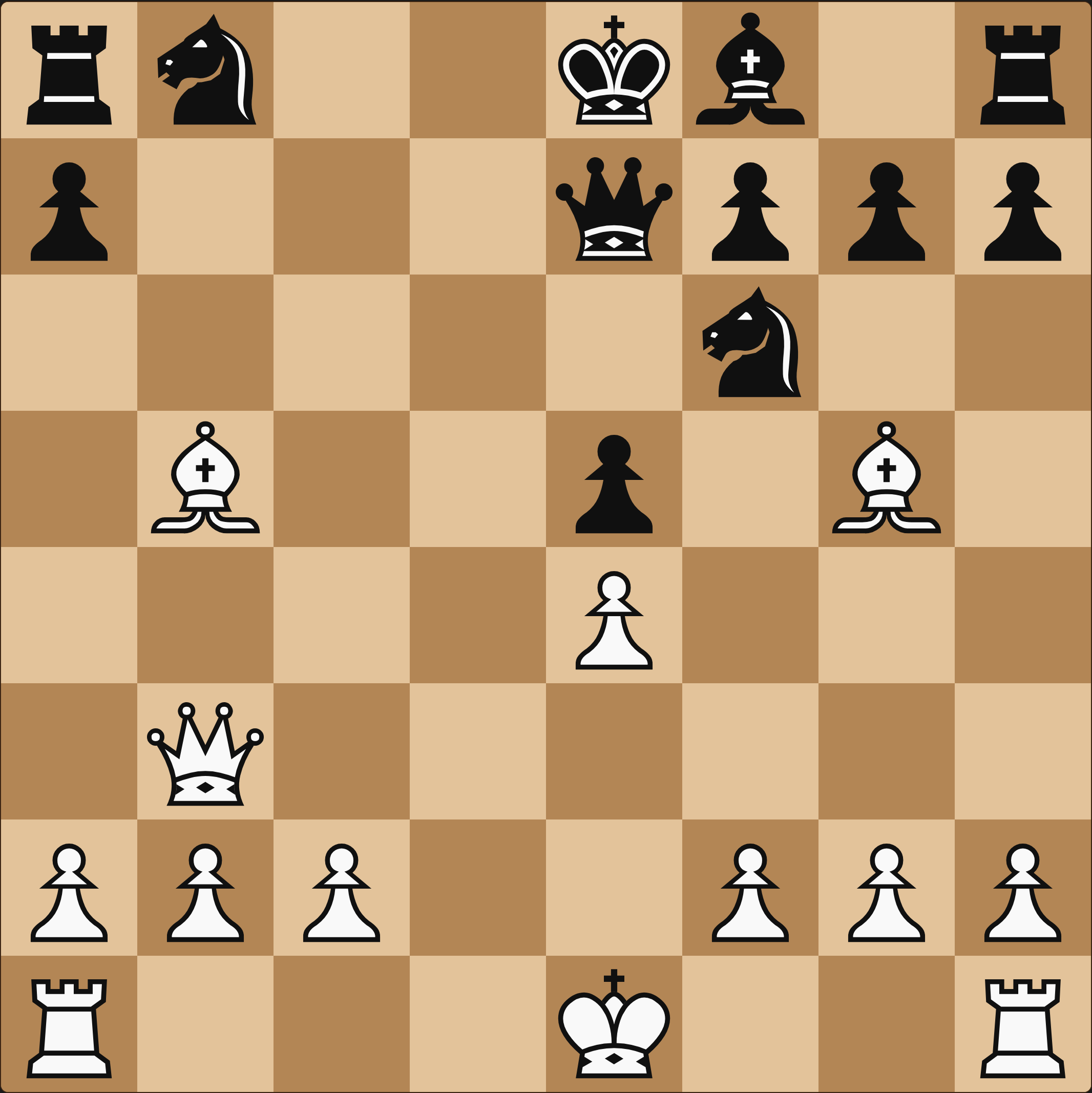
Why 10.Nxb5! Works
9...b5 10.Nxb5! cxb5 11.Bxb5+
This is the moment everybody remembers, but the move only works because Morphy has already done the quiet part of the job.
- White's bishop on c4 is aimed directly at f7.
- The queen is already active on b3.
- The knight is developed.
- White is ahead in mobilization.
- Black's king is still in the middle.
From a player's point of view, this is the important lesson: attacking sacrifices are usually not random acts of courage. Most of the time, they are a final push against a position that is already failing basic tests.
If you are doing chess game analysis for beginners, this is a great place to stop and compare candidate moves. Ask yourself:
- What happens if White plays quietly?
- What changes after the b-file opens?
- Which king is safer if the position becomes tactical right now?
Those are the kinds of questions that make your own analysis stronger.
Morphy Never Lets Black Breathe
After 11...Nbd7, Morphy castles long with 12.O-O-O, and I think this is one of the most elegant moves in the game.
A lot of players, especially improving players, get excited by the sacrifice and then start hunting checks too early. Morphy does the opposite. He keeps developing. He brings the rook into the game. He improves coordination. He makes the attack stronger without rushing.
That is such a useful practical lesson. In real games, the difference between a sound attack and a messy attack is often just one move of preparation.
So if someone asks me for chess attacking principles explained in one classic example, I often point here:
- bring pieces out fast
- open lines while the enemy king is stuck
- do not attack with one piece when three can join
- value time more than material
The Two Rook Moves That End the Game
13.Rxd7! Rxd7 14.Rd1
This sequence feels effortless when you replay it, but over the board it must have felt crushing.
What I love about it is how logical it is. White is not just throwing wood at the board. Morphy is targeting overloaded defenders and forcing Black's pieces to stand on bad squares.
After 14...Qe6, the position is already collapsing. Then comes the clean finish:
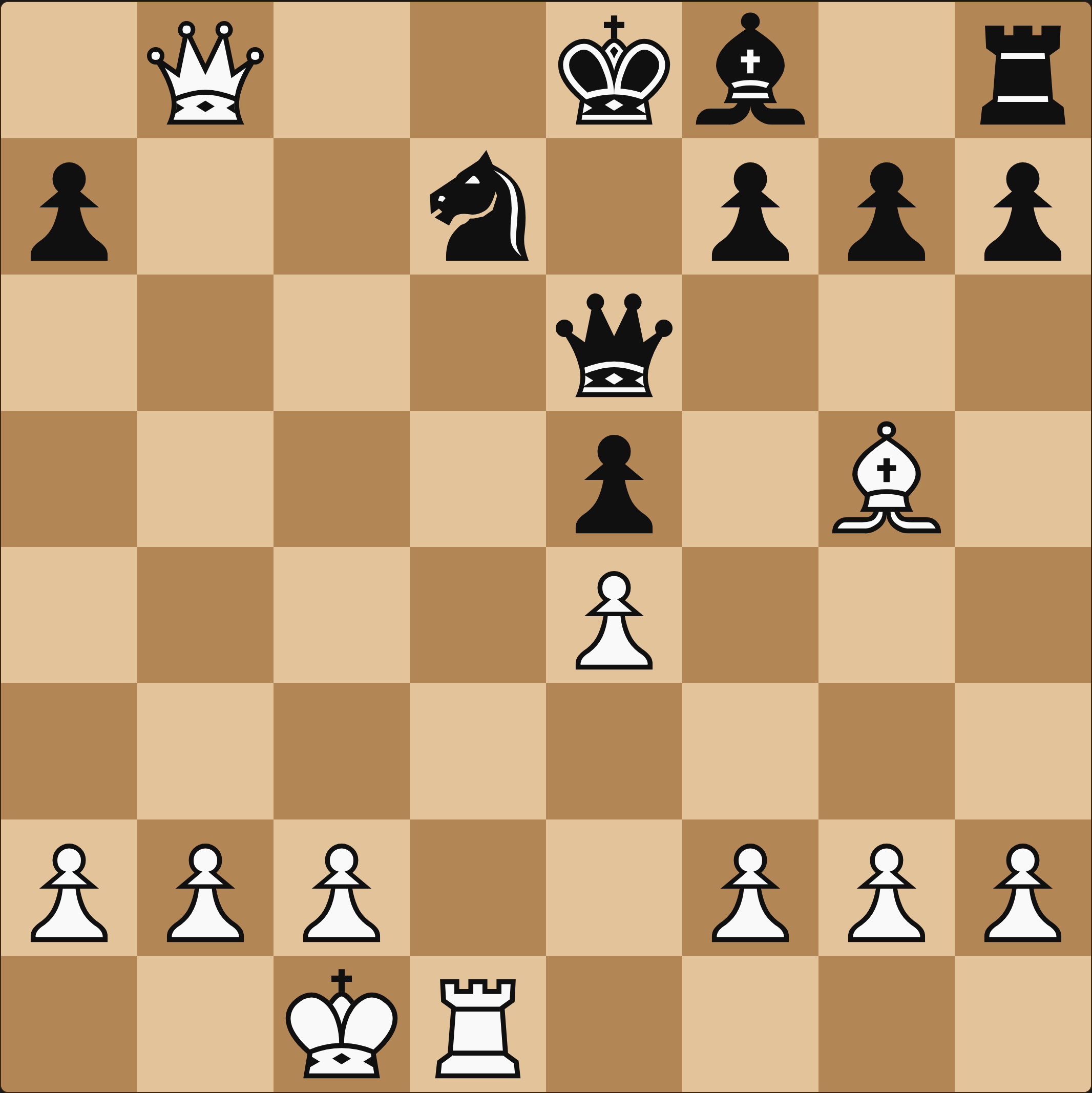
15.Bxd7+ Nxd7 16.Qb8+! Nxb8 17.Rd8#
Every white piece has a job. Every black piece is late. That is why the final mate feels inevitable rather than flashy.
A lot of modern players search for engine-perfect complexity in their study, but sometimes the most useful Chess Analysis comes from positions where the ideas are plain. Morphy's finish is beautiful because it is easy to explain after you understand the setup.
The Real Lesson Is Not "Sacrifice More"
Whenever people first see this game, the temptation is to treat it as a lesson in bravery. I think that misses the point.
The real lesson is this: if your opponent falls behind in development and leaves the king in the center, the position may already be tactically lost even if material looks balanced.
That is why this game is still valuable in free chess analysis online tools and in any best chess analysis board workflow. You can load it up, pause before move 10, and the engine will confirm what strong players feel immediately: Black's position is hanging together by a thread.
For me, this is also one of the best examples of open file attack chess. Once the d-file opens, Black never really recovers. White's rooks become the deciding force, and the king simply runs out of shelter.
How I Would Study This Game as a Club Player
If I were using this game for training instead of just enjoyment, I would do it in four steps.
1. Replay It Once Without an Engine
Just play through it and write down where you think Black first goes wrong. Do not worry about being perfect. The point is to train your judgment before the engine speaks.
2. Stop Before 10.Nxb5
This is the critical position. Ask yourself whether you would even consider the sacrifice in a real game. If not, why not? Usually the answer is that many players underestimate activity and overestimate material.
3. Track Development, Not Just Evaluation
During your Chess Analysis session, count active pieces for both sides after every move from 6 to 12. That simple habit teaches more than staring at a number on the eval bar.
4. Reuse the Pattern in Your Own Games
The next time your opponent delays castling, look for the same ingredients:
- lead in development
- open center
- active queen and bishop battery
- rook access to open files
That is how a classic game becomes practical improvement instead of trivia.
Why This Game Still Ranks Among the Best Classic Chess Games Explained
Some famous games are brilliant but hard to apply. This one is different.
The Opera Game still works as teaching material because it connects directly to mistakes we see every week in club chess:
- casual opening moves
- early queen defense
- neglecting king safety
- grabbing space on the wing while the center is unstable
That is why it keeps showing up in lists of classic chess games explained, and why it deserves a place in any serious collection of Chess Analysis examples.
Final Thought
If you only remember one thing from this game, let it be this: attacks are easiest when your pieces are already doing sensible things.
That sounds almost too simple, but Morphy proves it better than almost anyone. He does not win because he sees magic. He wins because he develops quickly, opens the right files, and refuses to let a slow position survive.
For players trying to improve, that is encouraging. You do not need to play like a genius to learn from Morphy. You just need to respect time, piece activity, and king safety. Do that consistently, and your own Chess Analysis will start feeling clearer and far more useful.